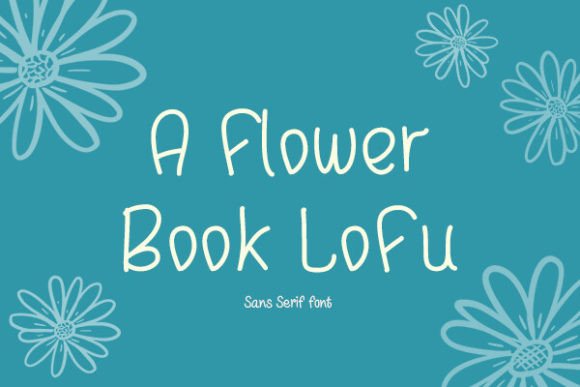
A Flower Book Lofu: Playful Sans Serif Font for Crafters
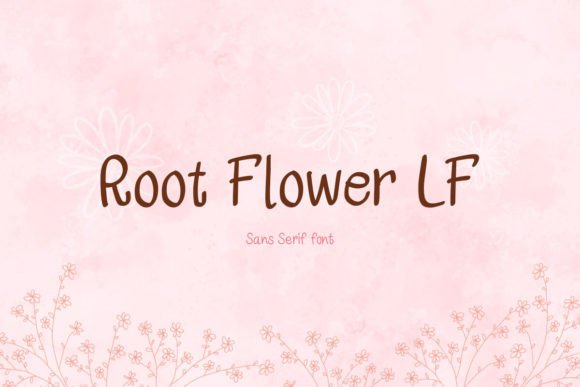
A Flower Book Lofu stands out as a distinctive choice among modern Fonts, offering creators a unique blend of whimsy and clarity. As a Sans Serif typeface, it breaks away from rigid geometric structures to embrace a hand-drawn charm that feels both professional and approachable. For those of us who spend hours designing physical products, this font serves as a versatile tool that bridges the gap between digital design and tangible craftsmanship. Whether you are creating labels for small-batch candles or designing invitations for a local event, the visual personality of this typeface adds an immediate layer of warmth and authenticity to your work.
Using A Flower Book Lofu for Children Themed Projects and Educational Printables
When working with A Flower Book Lofu, its playful nature makes it an ideal candidate for children themed designs, which is one of its strongest use cases mentioned in its description. As a Sans Serif style, it maintains high readability even at smaller sizes, which is crucial for educational materials and kids' decor. Many Fonts struggle to balance fun aesthetics with legibility, but this typeface manages to keep letterforms distinct while adding quirky, rounded edges that appeal to younger audiences. You can utilize this font for birthday party invitations, classroom posters, or personalized name plates for nurseries. The cute and fun vibe ensures that the final product feels inviting rather than sterile, helping parents and teachers create environments that encourage creativity and joy.
Designing Engaging Blog Headers and Social Media Graphics with A Flower Book Lofu
Beyond physical crafts, A Flower Book Lofu is an awesome addition to your digital presence, particularly for blogs and social media content. In the world of online marketing, standing out requires typography that captures attention quickly. This Sans Serif font provides a fresh alternative to the overused standard web fonts, giving your brand a unique voice. When used in Fonts libraries for graphic design software, it allows you to create eye-catching headers for blog posts about parenting, DIY crafts, or lifestyle topics. The playful style works exceptionally well for quote graphics, Instagram stories, and Pinterest pins, where visual appeal drives engagement. By incorporating this typeface into your digital assets, you create a consistent brand identity that feels friendly and accessible to your audience.
Creating Eye-Catching Logos and Posters with A Flower Book Lofu Typography
For small business owners, A Flower Book Lofu offers a compelling option for logos and promotional posters. A logo needs to be memorable, and the distinct character of this Sans Serif font helps brands stand out in crowded marketplaces. Whether you are launching a boutique bakery, a pet sitting service, or a creative studio, this typeface conveys a sense of approachability and fun. When designing Fonts-based logos, it is important to consider how the letters interact; the balanced spacing in A Flower Book Lofu ensures that your business name remains clear and impactful. For posters, the bold yet playful strokes make it easy to read from a distance, making it perfect for event announcements, sale signs, or workshop flyers. Its versatility allows it to work well in both monochrome prints and vibrant, multi-colored designs.
Pairing A Flower Book Lofu with Other Fonts for Balanced Design Compositions
To maximize the impact of A Flower Book Lofu, consider pairing it with complementary Fonts. Since it is a Sans Serif with a playful personality, it pairs beautifully with elegant script fonts for wedding invitations or sophisticated serif fonts for high-end product labels. This contrast creates visual interest and hierarchy in your designs. For example, use A Flower Book Lofu for the main title or header to grab attention, and pair it with a clean, neutral sans serif for body text to ensure readability. This technique is particularly effective in printable planners, greeting cards, and packaging designs where you need to convey both emotion and information. Experimenting with different font combinations allows you to tailor the mood of your project, whether you aim for rustic charm, modern minimalism, or vibrant energy.
Practical Tips for Cutting Machines and Physical Product Labels
When using A Flower Book Lofu with cutting machines like Cricut or Silhouette, its solid Sans Serif structure ensures clean cuts without fragile connections. This makes it an excellent choice for vinyl decals, iron-on transfers, and sticker designs. Unlike intricate script Fonts that may require weeding tiny pieces, this typeface offers robust letterforms that hold up well during the production process. For product labels, such as those for homemade jams, soaps, or candles, the font’s clarity ensures that ingredient lists and branding remain legible even on small surfaces. Always test cut a sample piece to adjust size and spacing, ensuring that the playful curves do not compromise the structural integrity of the design. This practical reliability saves time and reduces material waste, which is essential for maintaining profitability in handmade businesses.
Understanding Commercial Licensing for A Flower Book Lofu in Product Sales
Before integrating A Flower Book Lofu into your commercial projects, it is vital to review the licensing terms associated with these Fonts. Most premium typefaces offer specific licenses for personal and commercial use, allowing you to sell physical products like t-shirts, mugs, and printed stationery. However, restrictions may apply to digital resale or template creation. As a creator, ensuring you have the correct license protects your business from legal issues and supports the designers who create these valuable assets. Check if the license covers unlimited sales or if there are caps on production volume. By respecting intellectual property rights, you contribute to a sustainable creative ecosystem while building a reputable brand. Always keep your license documentation handy for client inquiries or platform verification processes.